 Go to the homepage
-
Vincent’s life journey in Brabant
From his early years to mastery
Anyone curious about Vincent van Gogh’s life and work cannot ignore North Brabant. Many places in this province still bear witness to him. They tell you about his roots, his childhood, his youth, his dreams, passions, loves and experiences. How did these stages of his life shape him and lead him to make some of his crucial choices? The story of how Vincent van Gogh came to be, both as a painter and as a person: Becoming Vincent.
-
Van Gogh’s family tree in The Hague
1575
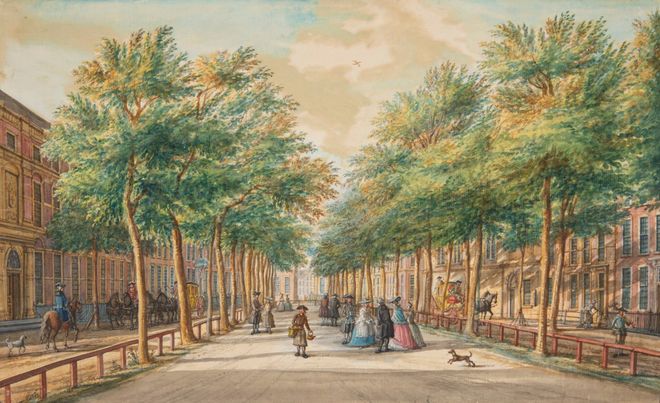
The Van Gogh family tree begins with Jan van Gogh and Jannetje den Meer, in 1575 near The Hague. In 1605, they had a son: Gerrit Jansen van Gogh. He was a soldier, a tambourine player, a bottle maker and a silversmith. It was a family of art lovers. The first Van Gogh with the first name Vincent was born in 1634. He was also a soldier and a master shoemaker. One of his descendants, Vincent Ferdinand Jacob van Gogh (1789–1874), was the first minister in the family. His descendants also went on to become ministers, artists or art dealers.
-
The first Van Gogh in Brabant
1822
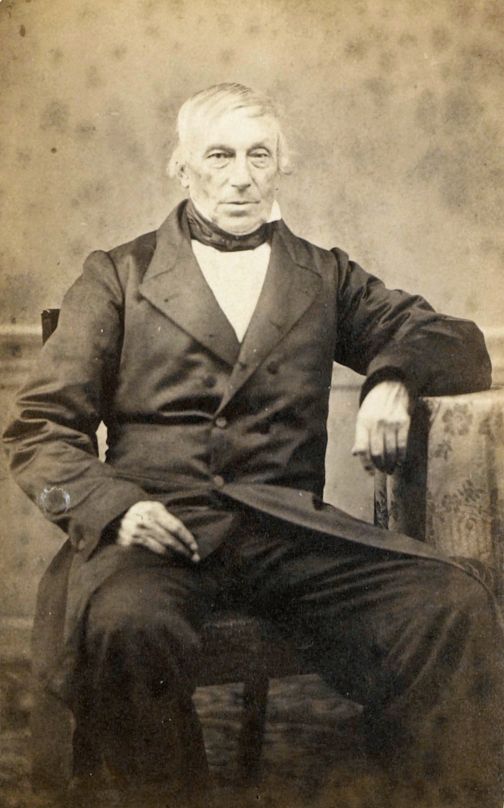
The story of the artist Vincent van Gogh in Brabant begins in Breda. This town has a rich history as the court town of the House of Nassau, the founders of the Dutch royal family. His grandfather, Vincent Ferdinand Jacob van Gogh (1789–1874), originally from The Hague, served as a minister at the Grote Kerk in Breda from 1822 until his retirement in 1853. He and his wife had nine children, including Theodorus, who later became a minister (and was the father of the painter Vincent).
-
Anna van Gogh-Carbentus (mother)
1819-1907
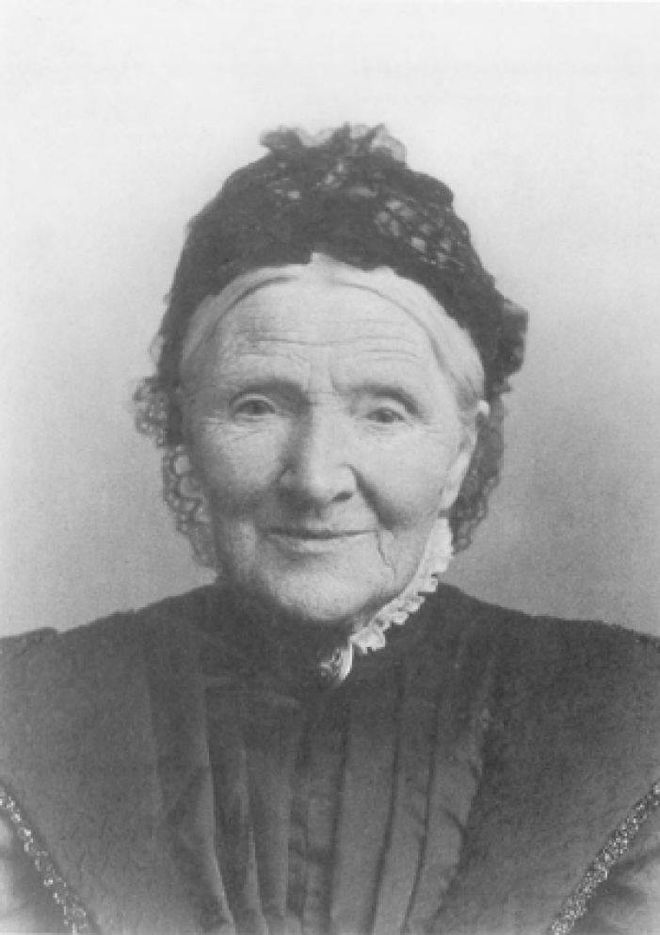
Anna van Gogh-Carbentus, Vincent van Gogh’s mother, played a pivotal role in the development of Vincent’s talent. It was from her that Vincent received his first drawing lessons. At home, in Zundert. She taught her children to sing and do crafts, and encouraged them to read widely. And to love nature. They often went for long walks.
-
Theodorus van Gogh (father)
1822-1885
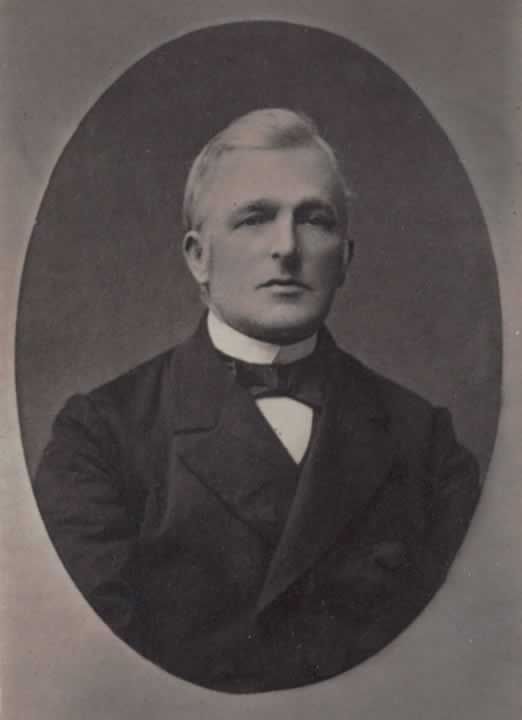
Theodorus van Gogh (Benschop, 8 February 1822 – Nuenen, 26 March 1885) was a minister in the Dutch Reformed Church in, amongst other places, Zundert, Etten-Leur, Helvoirt and Nuenen. After spending his early years in Breda, studying theology in Utrecht and serving for a short period as an assistant minister in Middelburg, Theodorus van Gogh (1822–1885) was appointed minister of Zundert on 1 April 1849. In 1851, he married Anna Cornelia Carbentus (1819–1907). The couple had seven children.
-
Reformed Church, Zundert
1849-1871
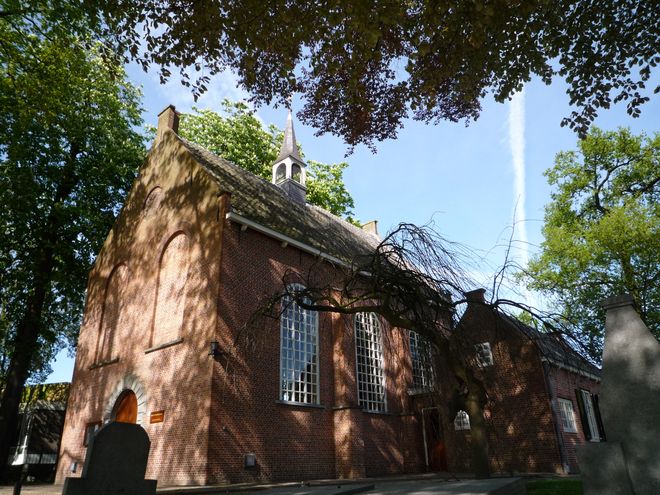
Vincent grew up as the son of Reverend Theodorus van Gogh, who preached at this church in Zundert.
-
Older brother
1852
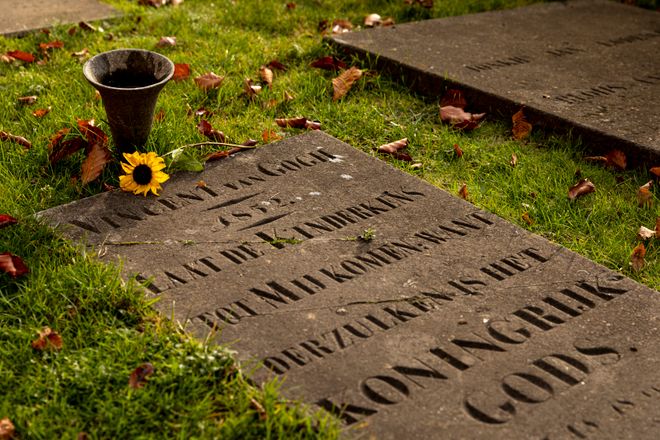
On 30 March 1852, the first child of Theodorus van Gogh and Anna Cornelia Carbentus was born, but the baby was stillborn. The gravestone at the Dutch Reformed church bears the name Vincent van Gogh. It is the stillborn brother of the Vincent we all know, who was born exactly one year later.
-
Birth
30 March 1853
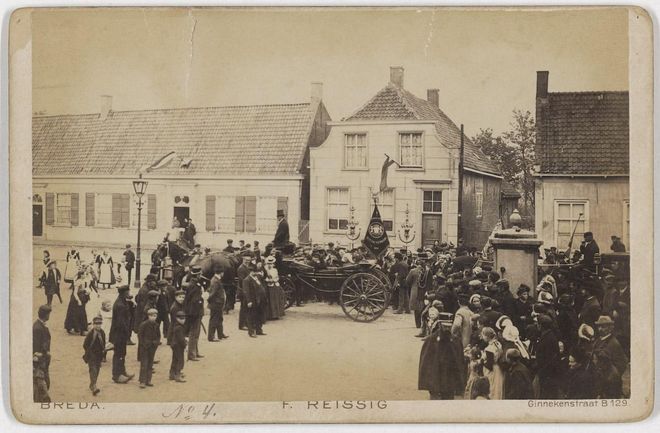
Vincent van Gogh was born on 30 March 1853 in the municipality of Zundert in the province of North Brabant.
-
Off to school in Zundert
1853-1869
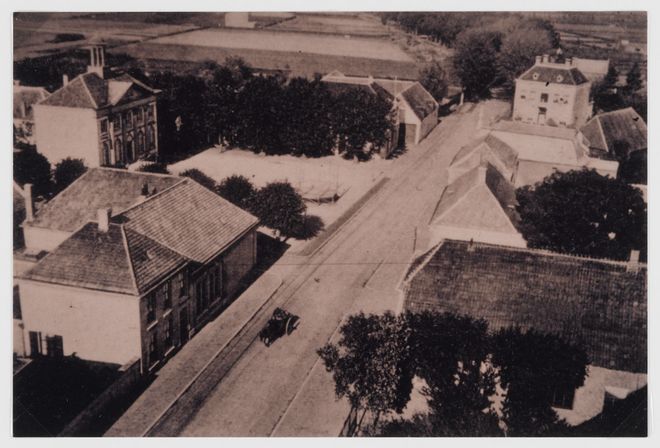
The village school used to stand on the corner of the market square. Vincent attended classes there from January to October 1861.
-
Sister Lies
1853-1869
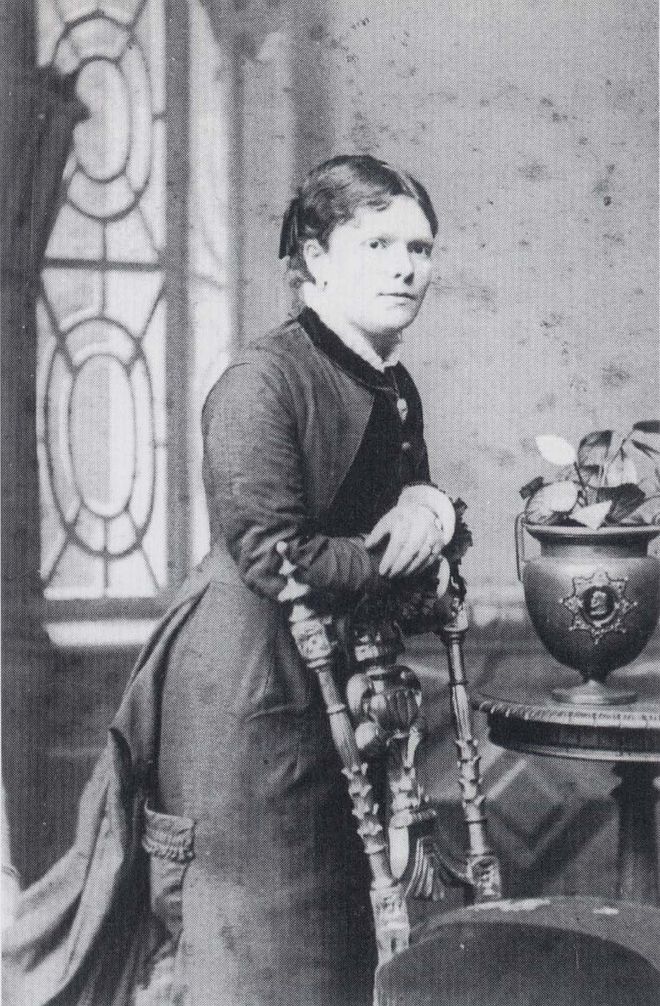
In 1910, Vincent’s sister Lies wrote her romanticised memoirs of her brother and their childhood in Zundert.
-
To boarding school
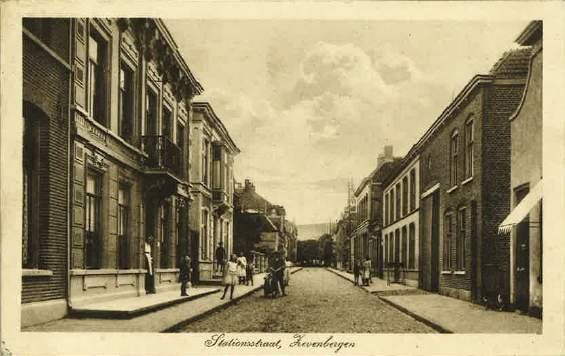
1864-1866
Jan Provily’s boys’ boarding school was once located in Zevenbergen.
-
Drawing class in Tilburg
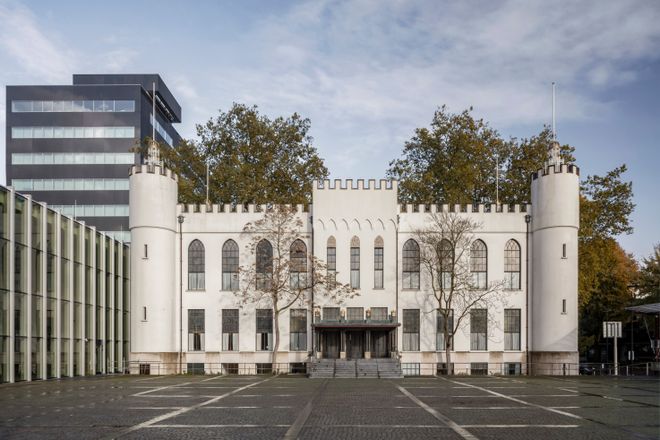
1866-1868
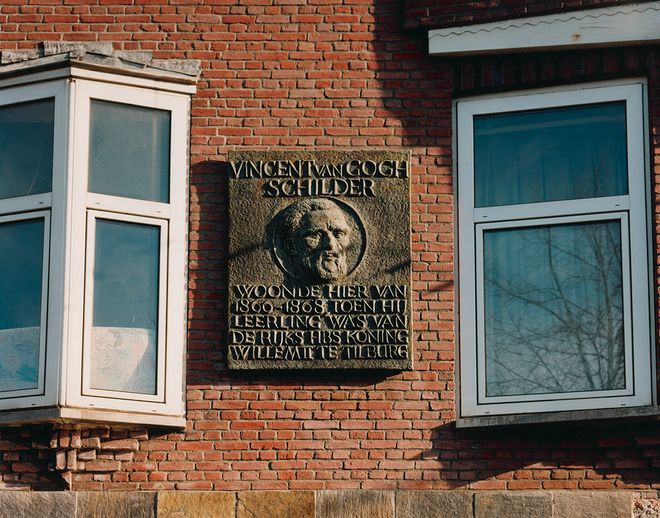
In 1866, the former city palace of William II housed the Hogere Burger School, where Vincent was educated.
-
Helvoirt
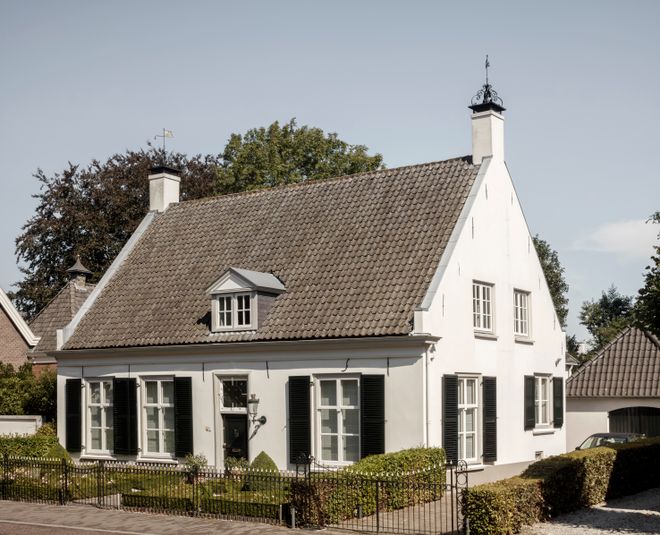
1871-1875
Vincent used to visit his parents, who lived in Helvoirt from 1871 to 1875, on religious holidays and birthdays. Vincent never actually lived in Helvoirt; he had left his parents’ home two years earlier.
-
Uncle Cent
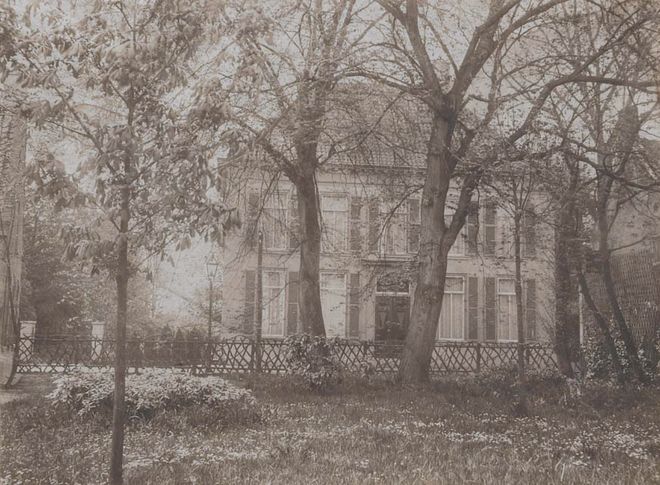
1872-1888
Vincent’s wealthy godfather, the art dealer Vincent van Gogh, lived at Huize Mertersem in Breda.
-
Becoming a painter in Etten
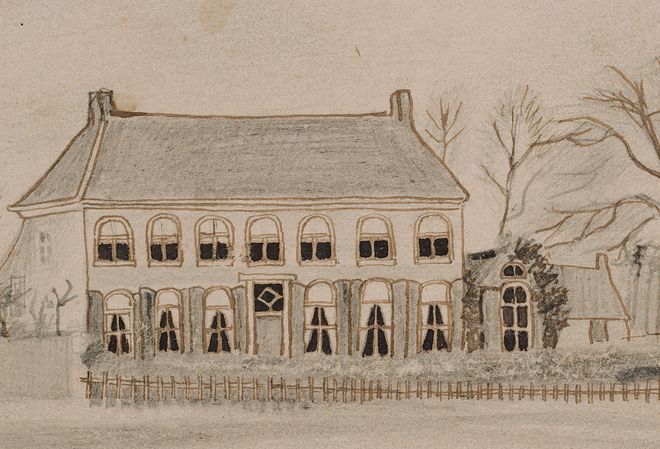
1881
After holding various jobs, Vincent decided to become an artist and returned to his family home in Etten.
-
Kee Vos
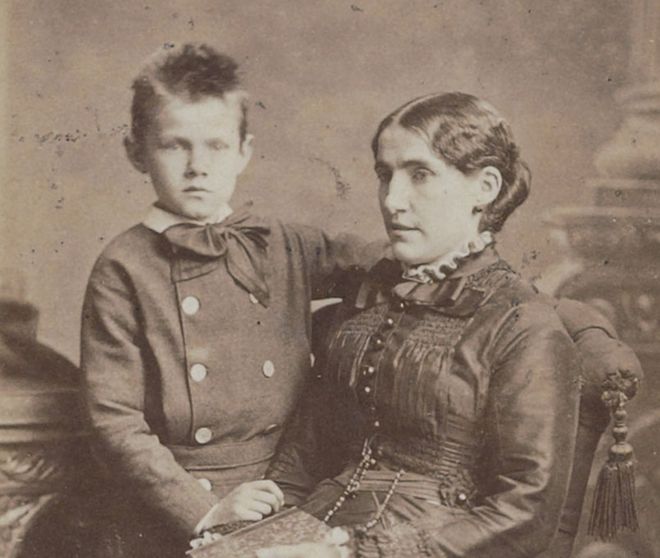
1881
In the summer of 1881, Vincent’s cousin Kee Vos stayed at the vicarage. Vincent fell passionately in love with her.
-
Pollarded willows
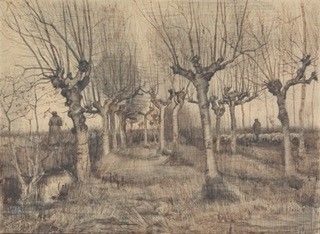
1881
It was in Etten that Vincent discovered the pollarded willows. He often sketched them, particularly in what was then known as Leursestraatje.
-
D’n IJzeren Pot
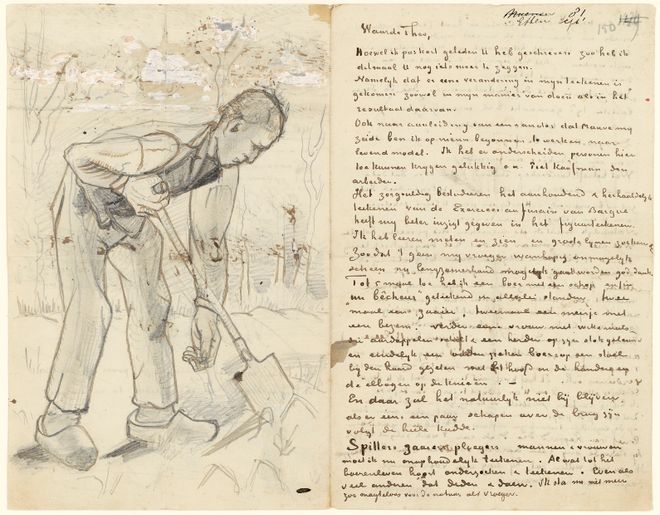
1881
Vincent was a regular visitor to the D’n IJzeren Pot farm, where Piet Kaufmann lived with his mother and younger sister.
-
Reformed Church in Nuenen
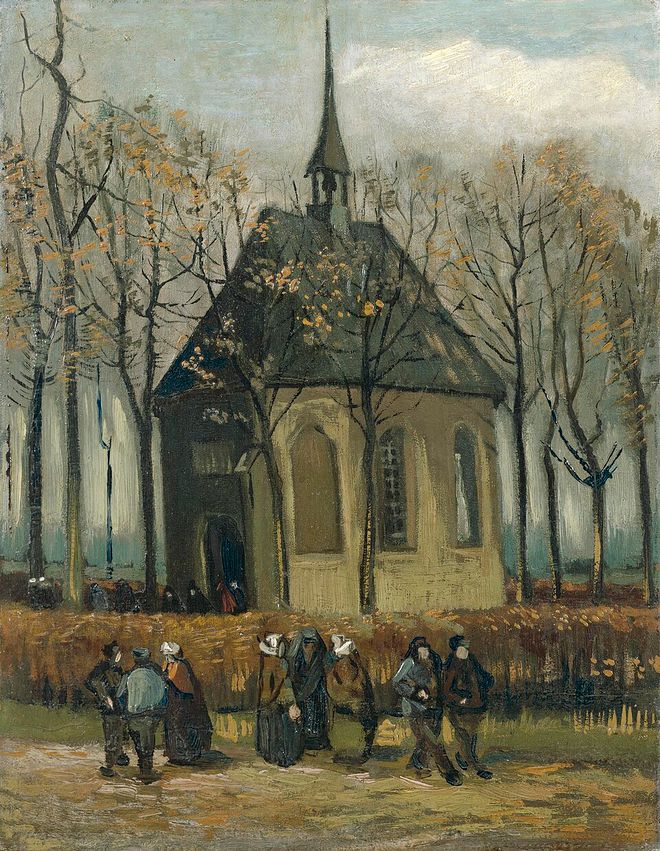
1882-1885
Vincent painted this little church as a gift for his mother.
-
Vicarage in Nuenen
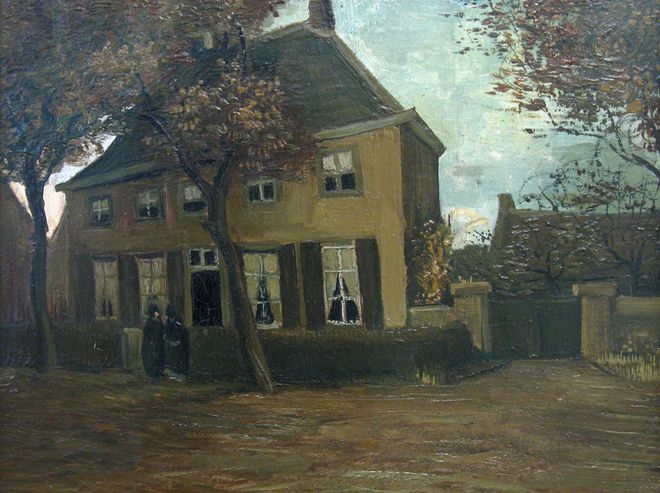
1882-1885
The Van Gogh family lived here from 1882 to 1885, with Vincent residing there from December 1883 until the end of 1885.
-
Studio in Nuenen
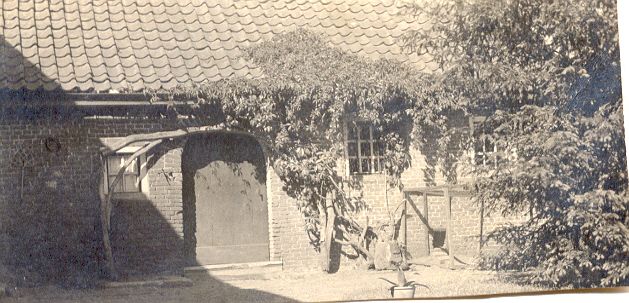
1883-1885
Vincent can set up the mangle room behind the vicarage as his studio.
-
Walks to Eindhoven
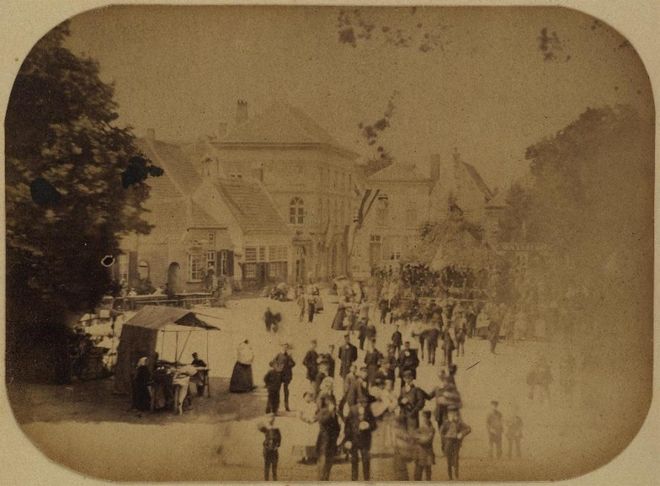
1883-1885
Vincent regularly made trips to Eindhoven to buy paint, and he met his painter friends there.
-
Painting lesson with Antoon Hermans
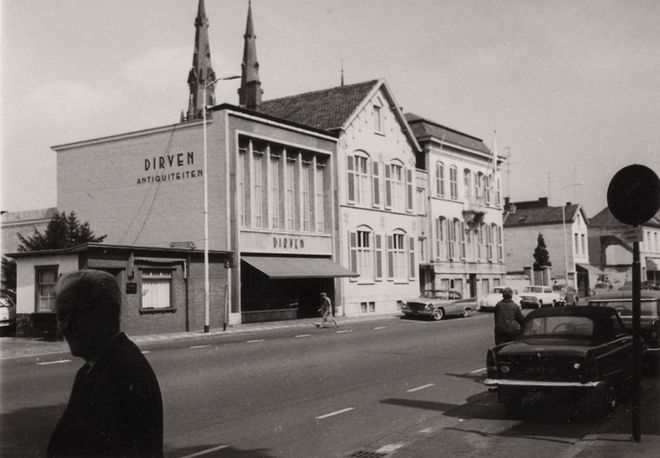
1883-1885
Vincent gave painting lessons to Antoon Hermans; his house was built by Pierre Cuypers.
-
St. Clemens Church in Gerwen
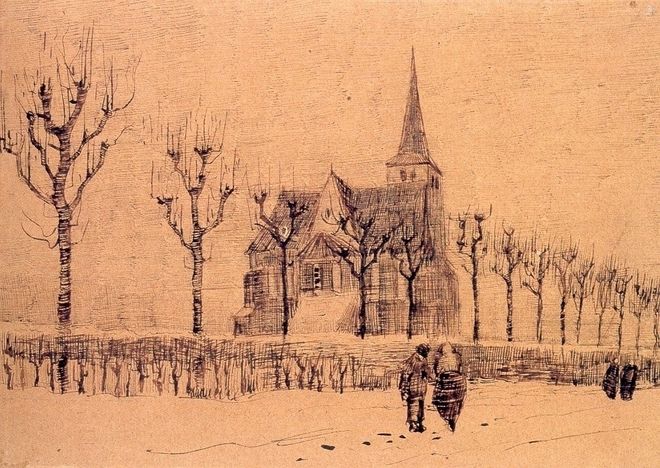
1883
Vincent van Gogh sketched St Clement’s Church in Gerwen in December 1883.
-
Weavers’ Cottages
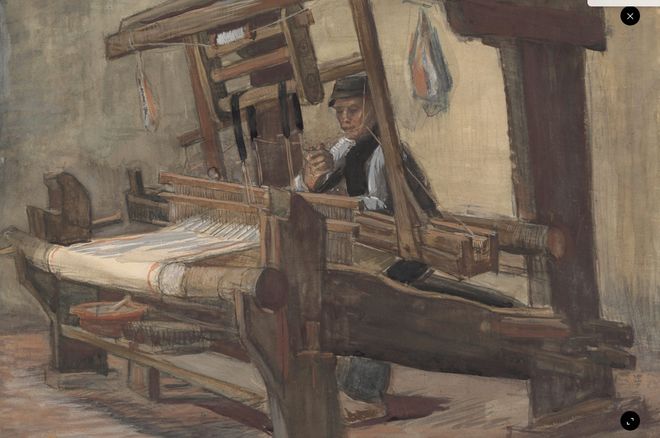
1883-1885
Only one of the many weavers’ cottages that once dotted Nuenen in Van Gogh’s time still stands today.
-
Old Cemetery in Nuenen
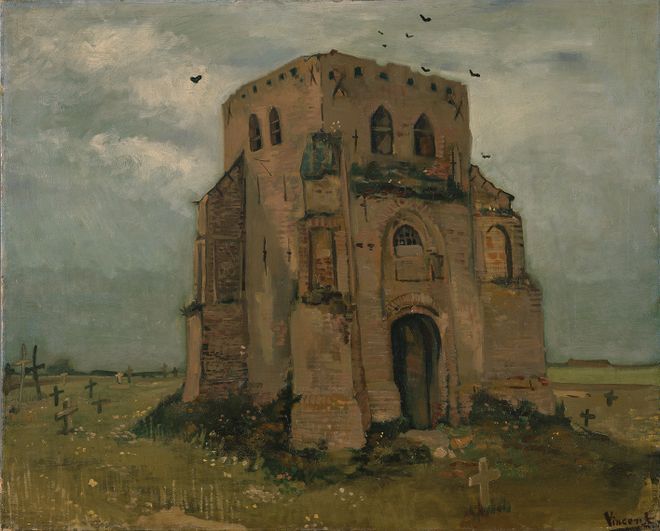
This old cemetery was situated near the old tower, which has since been demolished. The cemetery is still there, however; Vincent’s father is buried here.
-
Collse watermill
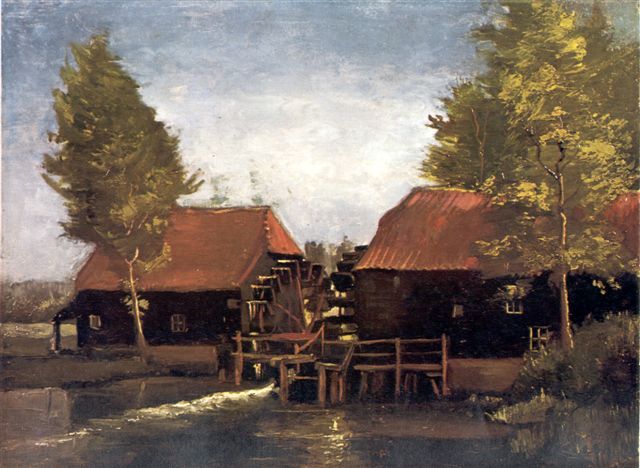
1883-1885
Together with the painter Anthon van Rappard, whom Vincent had met in Brussels in 1880, Vincent visited the watermills along the River Dommel, including the Collse watermill.
-
Studio at Sexton Schafrat’s
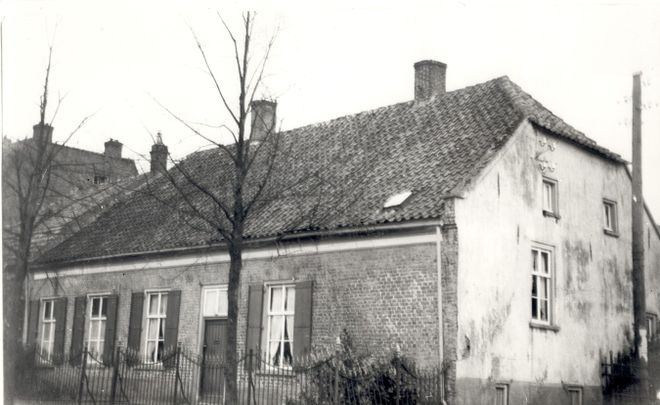
1884-1885
From May 1884, Vincent rented a studio in Nuenen from the Catholic sexton Johannes Schafrat.
-
Margot Begemann
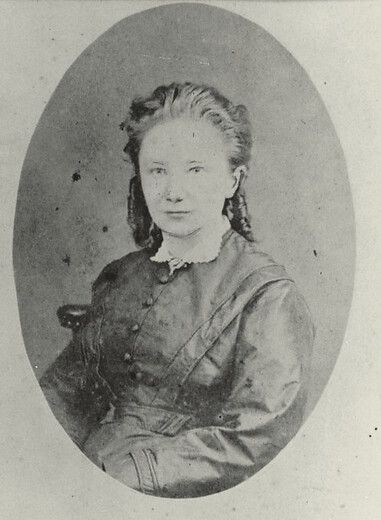
1884
The Begemann family lived in Nuenen right next door to the Van Gogh family, in Nune Ville. Margot Begemann and Vincent fell in love, but their families opposed the relationship.
-
Willem van de Wakker
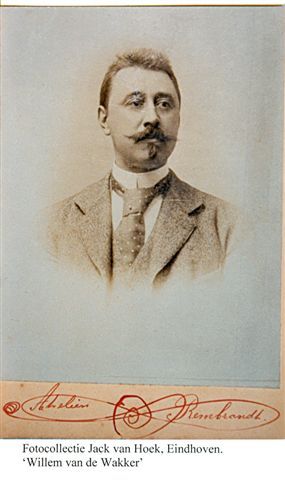
1884-1891
Willem van de Wakker, an amateur painter, took lessons from Vincent.
-
Farming village
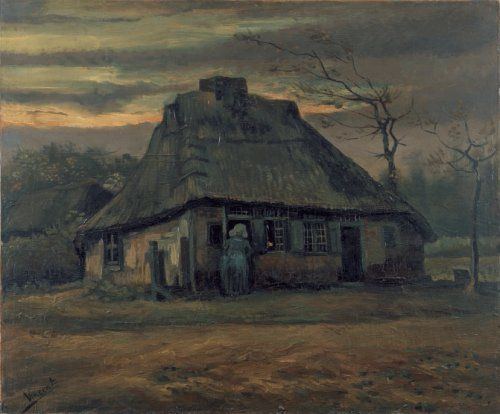
1884
The Noordbrabants Museum, 's-Hertogenbosch: thatched farmhouses in Nuenen and the surrounding area reminded Van Gogh of the Brabant of his youth.
-
Baijens Paint Shop
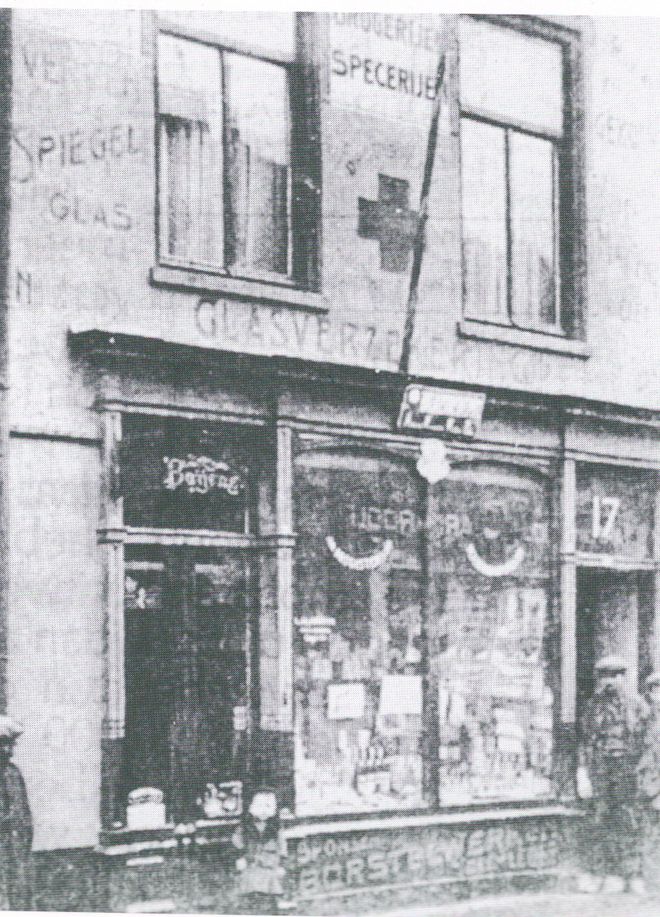
1884-1885
Jan Baijens’ (1838–1914) paint shop was situated at Rechtestraat C265 (now no. 18) in Eindhoven.
-
Brievengaardershuisje, Nuenen
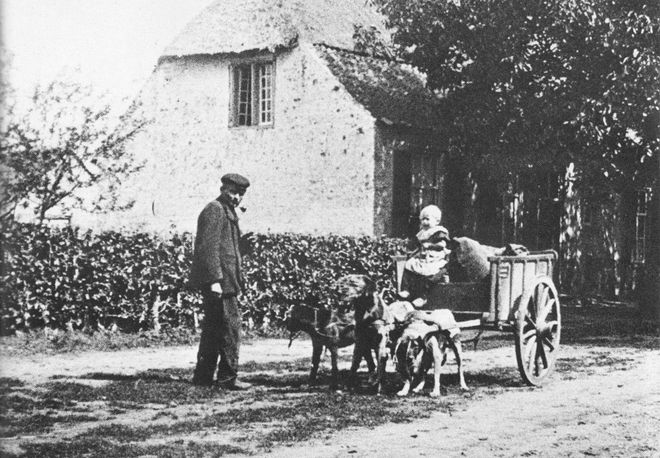
1883-1885
Vincent himself sent a great deal of post and paintings, and also received a great deal of post via the postman.
-
De Roosdonck
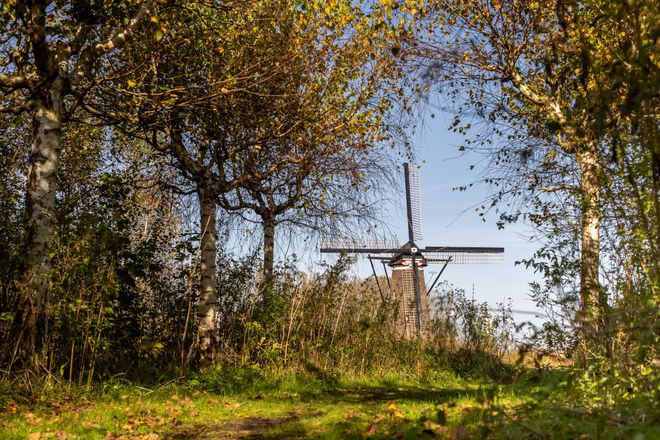
1884-1885
This windmill in Nuenen was already there in Vincent’s time, and it features in many of his works, sometimes seen through the window, outside.
-
Farmer’s Wife Digging
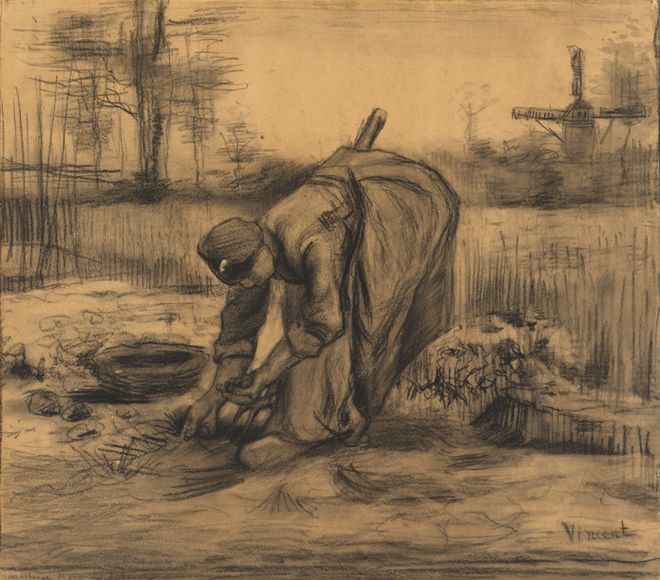
1885
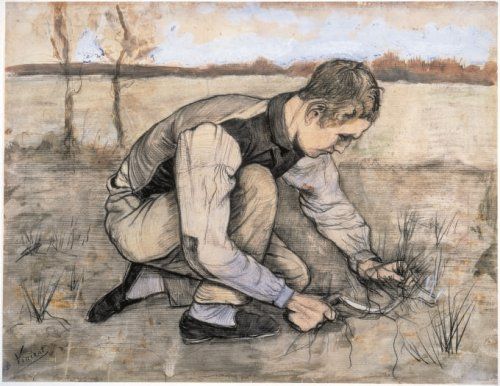
The Noordbrabants Museum, 's-Hertogenbosch: for Vincent, figure studies of farmers working in the fields symbolised the unity of humankind with nature.
-
Death of his father, Theodorus van Gogh
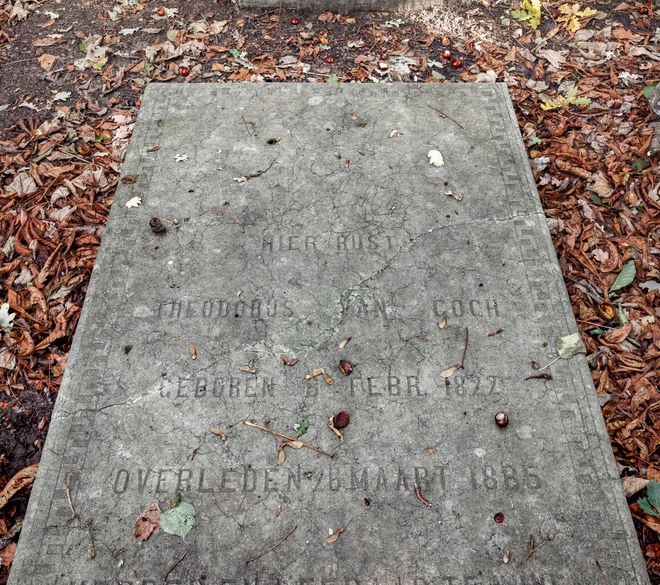
1885
The grave of his father, Theodorus van Gogh, can still be found in the cemetery in Nuenen. ‘Dad’, as Vincent called him.
-
House of the Potato Eaters
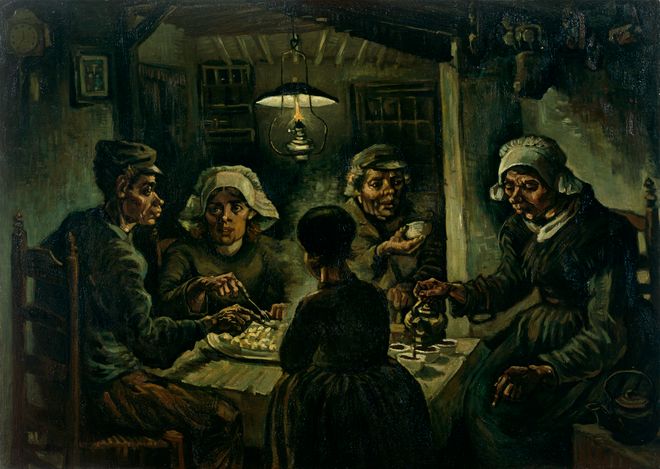
1885
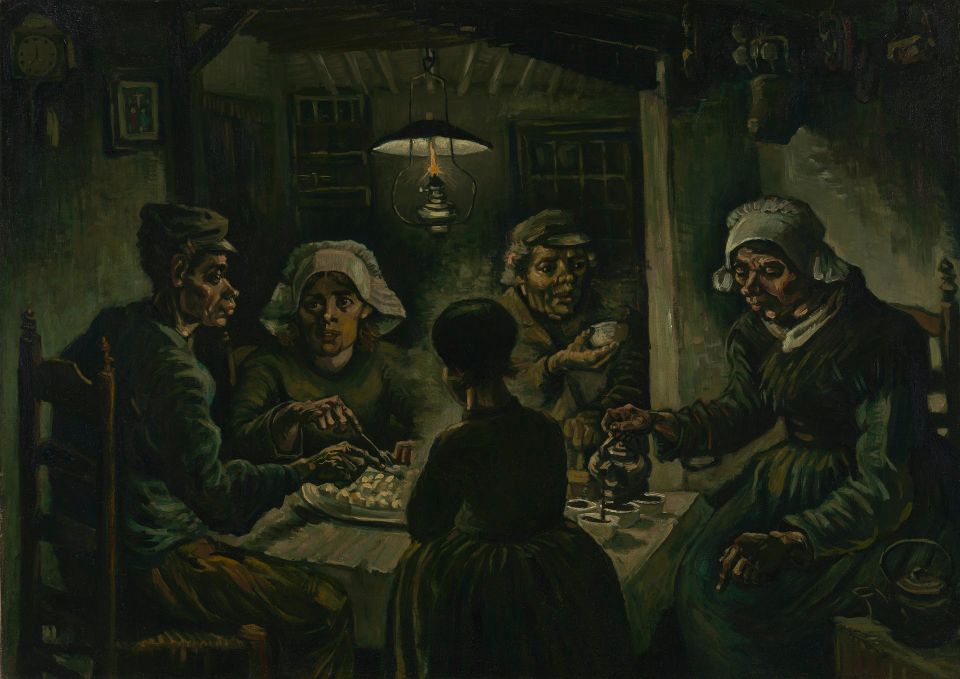
Next to the windmill in Nuenen stood the De Groot family’s cottage. He visited them frequently and painted them, their portraits, their hands and the interior of their cottage.
-
Gestel Stone Printing Works
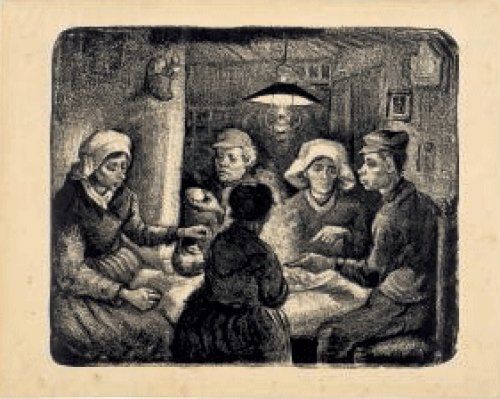
1885
Vincent regularly visited the printing works to buy printing ink, which he used to darken his paint. He also ordered a lithographic stone there for his work *The Potato Eaters*.
-
De Vogelenzang Windmill in Lieshout
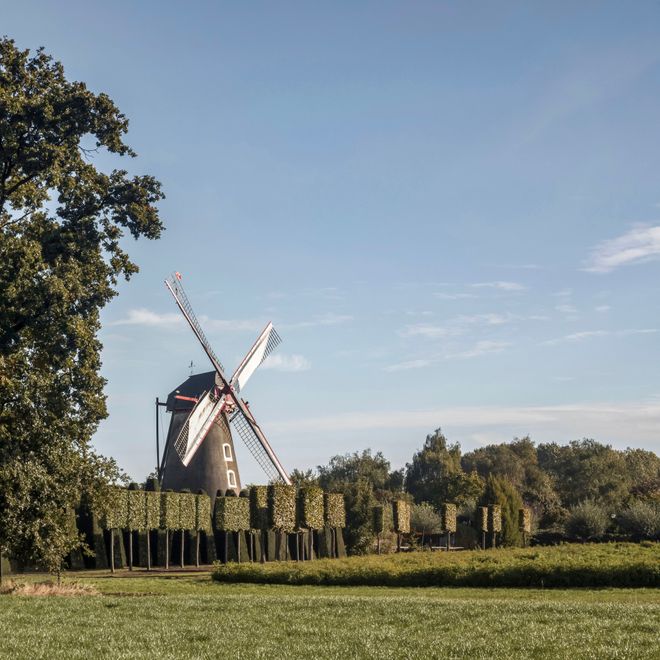
1855
During his stay in Nuenen, Vincent regularly went out on excursions. On one of his trips to Lieshout, he immortalised ‘De Vogelenzang’, an old windmill dating from 1819.
-
Departure from Brabant
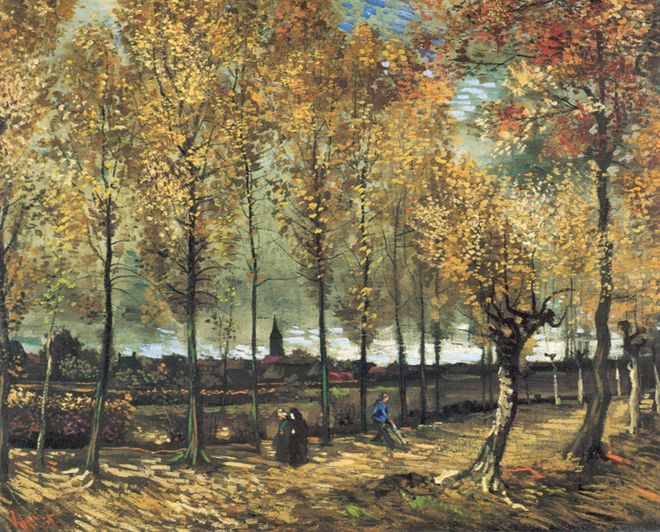
24 November 1885
On 24 November 1885, Vincent set off for Antwerp. Several drawings and paintings that he left behind with his family were lost when his mother and sister Willemien moved to Breda in early 1886.