 Go to the homepage
Overview of Van Gogh monuments
25 to 47 of 47 results
-
Populierenlaan Broekdijk
Populierenlaan Broekdijk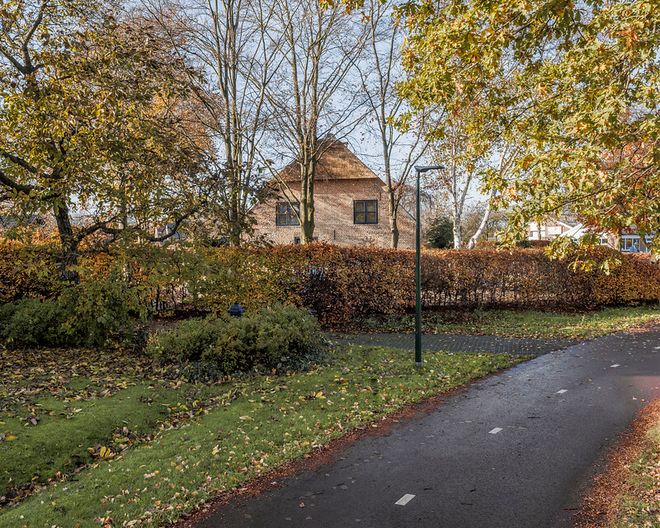
StatutesVincent used the farmhouse De Schoteldonkse Hoeve and the avenue leading up to it as the subject of his painting ‘Poplar Avenue in Autumn’.
-
The Opwetten Watermill
The Opwetten Watermill
5674 AC NuenenThis watermill is situated on the Kleine Dommel in Nuenen. Vincent van Gogh painted this mill.
-
Weaver’s Cottage
Weaver’s Cottage
5671 CC NuenenJust one of the many weavers’ cottages that Nuenen was home to in Van Gogh’s time. Later, the sexton lived in this cottage.
-
Theo de Vries Workshop
Theo de Vries Workshop
NuenenVincent regularly visited this site belonging to the builder and carpenter in Nuenen. For example, to have a perspective window made.
-
Genneper Watermill
Genneper Watermill
Genneperweg 143
5644 RS EindhovenVincent van Gogh captured this watermill in Eindhoven on canvas on several occasions. He was fascinated by the wheels and the building.
-
De Roosdonck Windmill
De Roosdonck Windmill
Gerwenseweg 2
5674 SG NuenenThis windmill stands in the open countryside to the north of Nuenen. Vincent drew and painted the corn mill. Sometimes the windmill can be seen, through...
-
Statue / Former Vicarage
Statue / Former Vicarage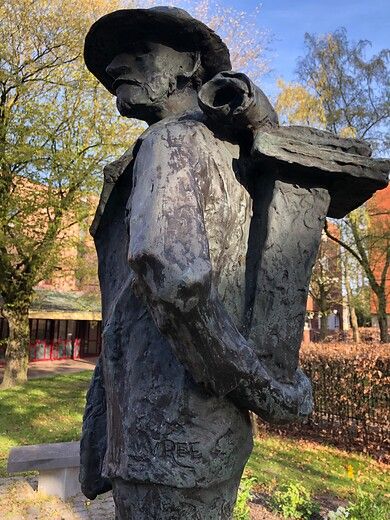
4875 AA Etten-LeurVincent van Gogh had his first studio in the vicarage in Etten-Leur. The building itself no longer stands, but a statue marks the spot.
-
Rectory
Rectory
4268 AS HelvoirtOn 31 January 1871, the Van Gogh family moved into the stately vicarage diagonally opposite the Protestant church in Helvoirt.
-
Van Gogh Village Museum, Town Hall
Van Gogh Village Museum, Town Hall
5671 CA NuenenThe building at Berg 29 was built in 1874 and served as the town hall until 1953. Today, this building houses the Van Gogh Village Museum, with...
-
Grote Kerk
Grote Kerk
4811 TX BredaVincent van Gogh’s grandfather – also named Vincent – was a minister at the Grote Kerk and the Royal Military Academy in Breda.
-
Protestant church, cemetery and ‘Ropsentuin’
Protestant church, cemetery and ‘Ropsentuin’
4881 DA ZundertVincent’s father was a minister at the Protestant church in Zundert. It was here that Vincent, like his brothers and sisters, was baptised.
-
Location: the vicarage and first studio in Etten
Location: the vicarage and first studio in Etten
4875 AA Etten-LeurThe building no longer stands, but a statue of Vincent marks the spot.
-
Old tower and churchyard
Old tower and churchyard
5673 LE NuenenThis is the old tower that Vincent saw, with its rural cemetery. He produced no fewer than 35 drawings and paintings of it. At the remains of this old...
-
The House of The Potato Eaters
The House of The Potato Eaters
5674 SG NuenenIn Vincent’s day, the De Groot family’s farmhouse stood on this site. In April and May 1885, he painted this family in *The Potato Eaters*.
-
Hunting Lodge with Coach House
Hunting Lodge with Coach House
Torenstraat 45
HelvoirtHunting lodge with coach house in Helvoirt. The Van Gogh family were allowed to use the garden.
-
Side wall of the ‘aunts’’ house
Side wall of the ‘aunts’’ house
4881 CN ZundertVincent harbours warm feelings for his ‘aunts’ in Zundert.
-
Protestant church
Protestant church
5268 AN HelvoirtSince February 1871, Vincent’s father had been the minister of the Reformed congregation in Helvoirt. Two drawings have survived.
-
Lambertus Church, Etten
Lambertus Church, Etten
4875 CG Etten-LeurVincent van Gogh produced various sketches and drawings of the Catholic church.
-
Studio and home with the Schafrat family
Studio and home with the Schafrat family
5671 GC NuenenVincent rents two rooms with an en suite bathroom on the ground floor. He lives here (after some time) and works in the back room.
-
Nune Ville
Nune Ville
5671 CC NuenenThe Begemann family lives in the house known as Nune Ville in Nuenen. A friendship develops between Vincent and his daughter Margot, but it takes a dramatic turn.
-
Van Gogh Church
Van Gogh Church
5671 CR NuenenVincent van Gogh’s father was the minister at this little church in Nuenen.
-
Old Town Hall, Etten
Old Town Hall, Etten
4875 CB Etten-LeurIt was here that Vincent registered as a painter for the very first time.
-
Family graves at Haagveld Cemetery
Family graves at Haagveld Cemetery
4813 XE BredaProtestant cemetery containing the graves of Uncle Cent and Vincent van Gogh’s grandparents.