Nine new Van Gogh Monuments

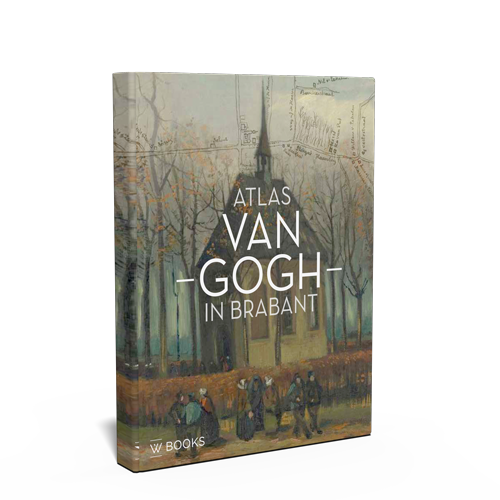
A team of experts has carried out research into the places in Brabant where Vincent van Gogh grew up and developed as a painter. As a result of this research, nine new sites have been designated as Van Gogh Monuments. This brings the total number of Van Gogh Monuments in Brabant to 46. All the new insights and background information on the Van Gogh Monuments and their significance for Vincent van Gogh’s life and work are published in the Atlas Van Gogh in Brabant. This will be presented to the painter’s descendants on 30 March and will be available in bookshops across the Netherlands from that date.
Over the past few months, Helewise Berger (curator at Het Noordbrabants Museum) and Ron Dirven (curator at Van Gogh Brabant) have been researching places of significance to Vincent van Gogh’s life in Brabant. This research was commissioned by Van Gogh Brabant and Het Noordbrabants Museum, which hope that the research and the publication of the results will contribute to the preservation of the monuments and the promotion of the heritage of the world-famous painter. In addition to Berger and Dirven, Teio Meedendorp and Louis van Tilborgh (Van Gogh Museum Amsterdam) also contributed to the research, which followed on from an initial survey in 2017. At that time, 39 sites were designated as Van Gogh Monuments. Two of these have now been removed from the list, as new information revealed that the buildings were no longer in their authentic condition. These are the sexton’s house in Etten-Leur and the town hall in Zundert.
Family and friends in Helvoirt
In the current list of 46 monuments, greater emphasis has been placed on sites associated with the painter’s family and friends. They played a role in the life choices that ultimately led Van Gogh to follow his passion and become a painter. Helewise Berger: ‘In Helvoirt in particular, we were surprised by the fascinating history behind the house of Vincent’s aunts on the Oude Rijksweg and the friendly ties with the Protestant noble family De Jonge van Zwijnsbergen, owners of Zwijnsbergen Castle, where the Van Gogh family regularly spent time. In addition, Huize Mariënhof and Jagtlust in Helvoirt have been included.’

Estates in Zundert
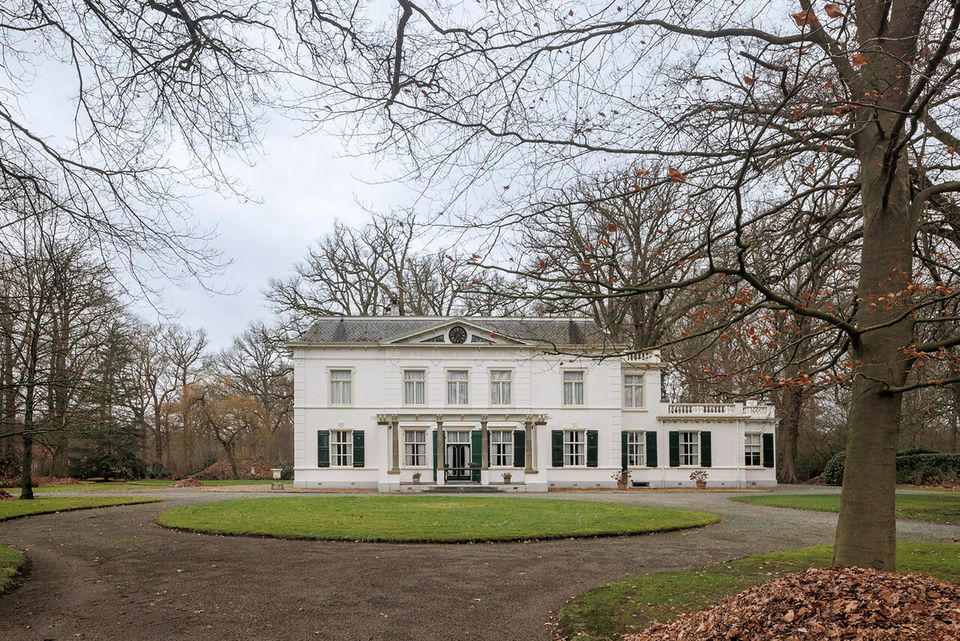
Ron Dirven: ‘The Brabant landscape was also a lasting source of inspiration for Van Gogh. In the area around Zundert, where the painter was born and grew up, we have therefore also examined estates in more detail to understand their significance for his life and work. As a result, the De Moeren, Buisse Heide and Wallsteijn estates have been added to the list because of the walks Vincent took in this area as a child and the owners’ links with the Reformed congregation in Zundert.’
Etten-Leur and Nuenen
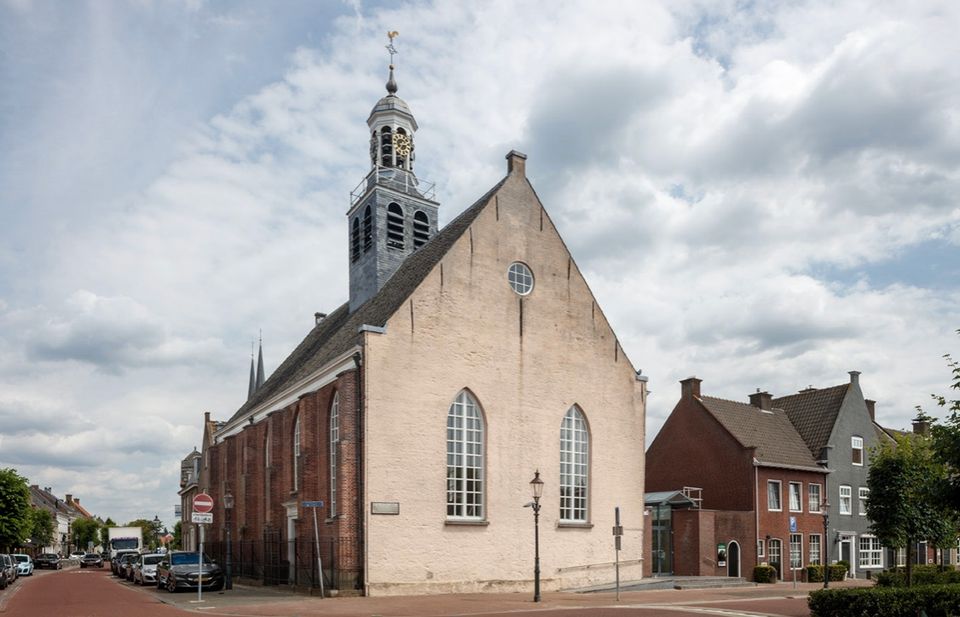
In Etten-Leur, the Trouwkerkje has been designated a listed building, due to Vincent’s relationship with the family of Reverend Kam. In Nuenen, Theo de Vries’s carpentry workshop on the Berg and Louis Begemann’s textile factory and home have been added to the already impressive list of Van Gogh heritage sites.
Atlas Van Gogh in Brabant
On 30 March, Vincent van Gogh’s birthday, the first copy of the Atlas van Gogh in Brabant will be presented to the van Gogh family and the director of the Van Gogh Museum. This celebratory event will take place in Zundert, Vincent’s birthplace. The Atlas combines old maps, historical images, works by Van Gogh and new photography by Karin Borghouts with facts about the monuments and background information on Vincent van Gogh’s life in 19th-century Brabant.