 Go to the homepage
The Loonse and Drunense Dunes
Contact
Roestelbergseweg 2
5171 RL The Loonse and Drunense Dunes Plan your route to the Loonse and Drunense Dunes
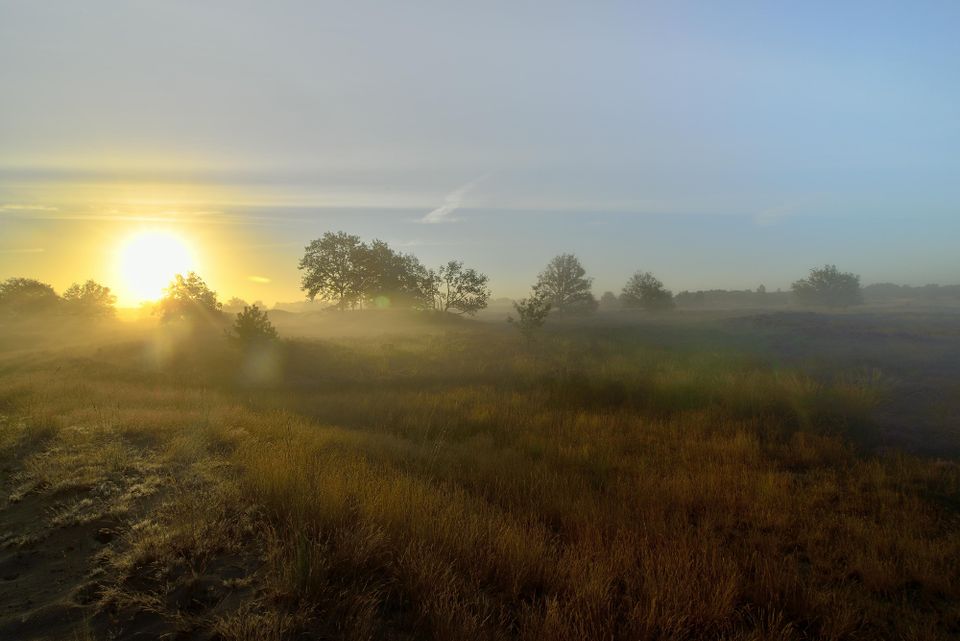
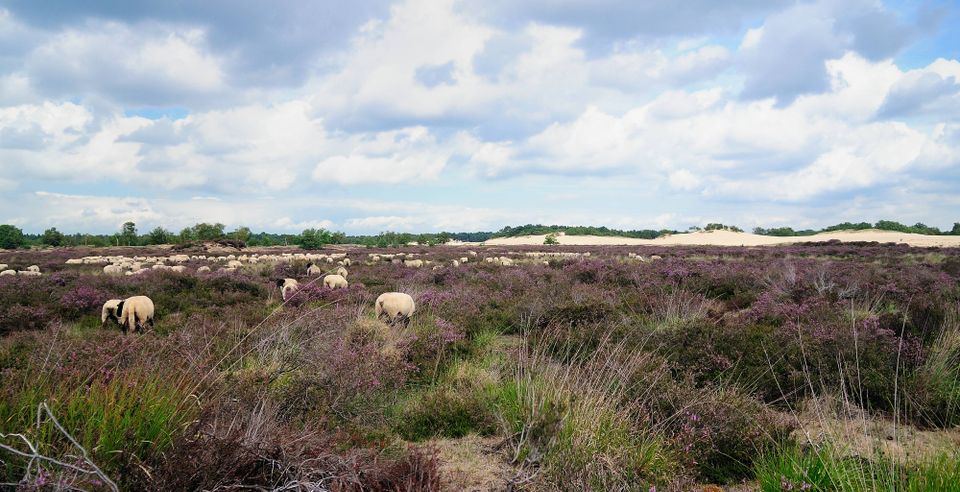
The Loonse en Drunense Duinen covers over 3,500 hectares and lies between the cities of Tilburg, Waalwijk and 's-Hertogenbosch. The nature reserve forms part of Van Gogh National Park.
Out and about in the dunes
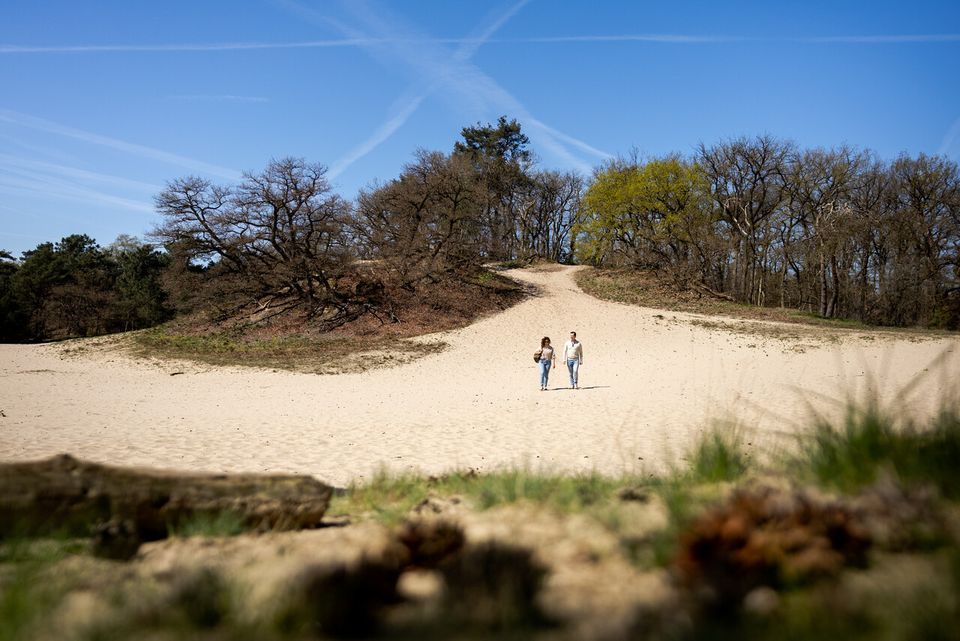
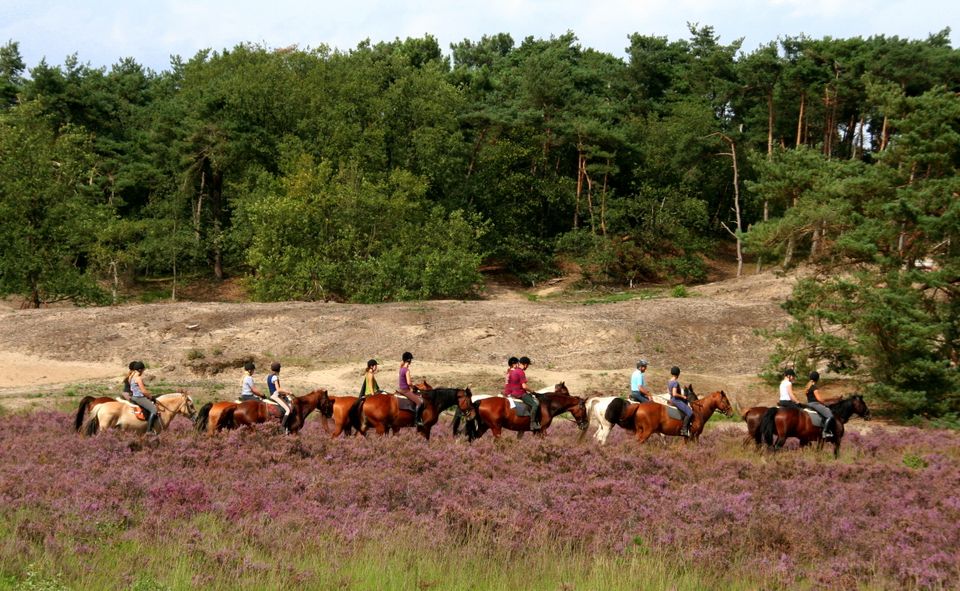
You’re welcome to wander anywhere in the shifting sands. Or come and cycle through vast woodlands, past the heathland, and go horse-riding over sand dunes. A paved footpath allows you to reach the beautiful viewpoint in a wheelchair or with a pushchair. During your walk, keep an eye out for the many birds, insects and roe deer!
How did the dunes form?
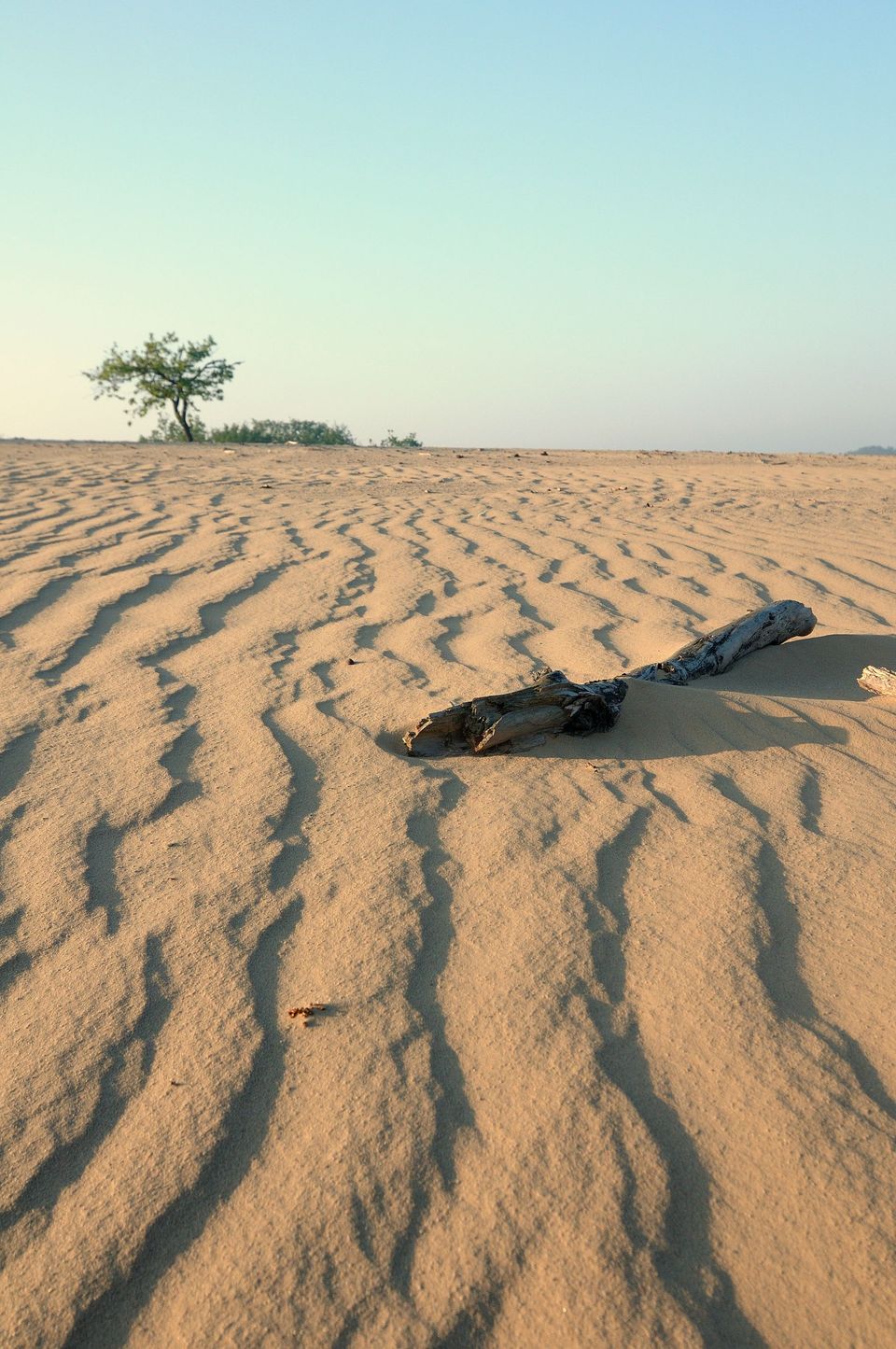
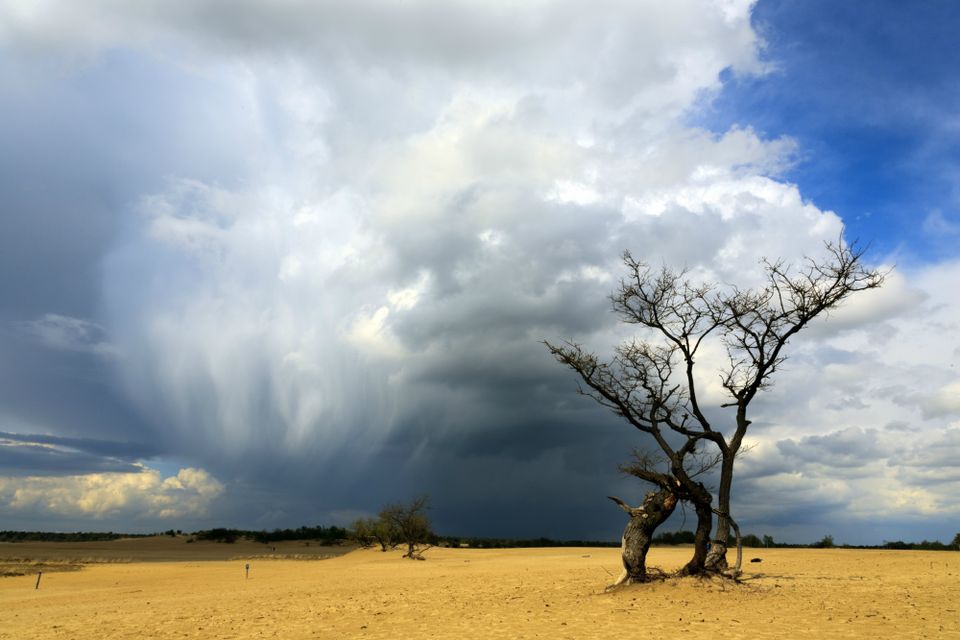
During the last Ice Age, polar winds deposited many thick layers of sand in Brabant. The current nature reserve, De Loonse en Drunense Duinen, lies on one such high sand ridge and is home to one of the most extensive areas of shifting sand in Western Europe. This ‘Brabant Sahara’ comprises thirty square kilometres of shifting sand that can still blow freely about!
The situation then and now has not always been this way. For a long time, the sand was covered with primeval forests, until these were felled in the fourteenth century. They were replaced by vast heathlands, where farmers let their livestock graze. Overgrazing and turf cutting completely depleted the soil, and the heathland disappeared. The wind regained its hold on the sand. Villages and fields were buried under the sand. The advance of the drifting sand was halted by planting rows of trees across the direction of the wind.
Plantloon Estate
This nature reserve has more to offer than just the dunes. Plantloon Estate is an estate in the English landscape style, featuring old avenues, deciduous woodlands, farmsteads and meadows surrounded by hedgerows.
Discover the Loonse and Drunense Dunes via the Loonse and Drunense Dunes walking route.